
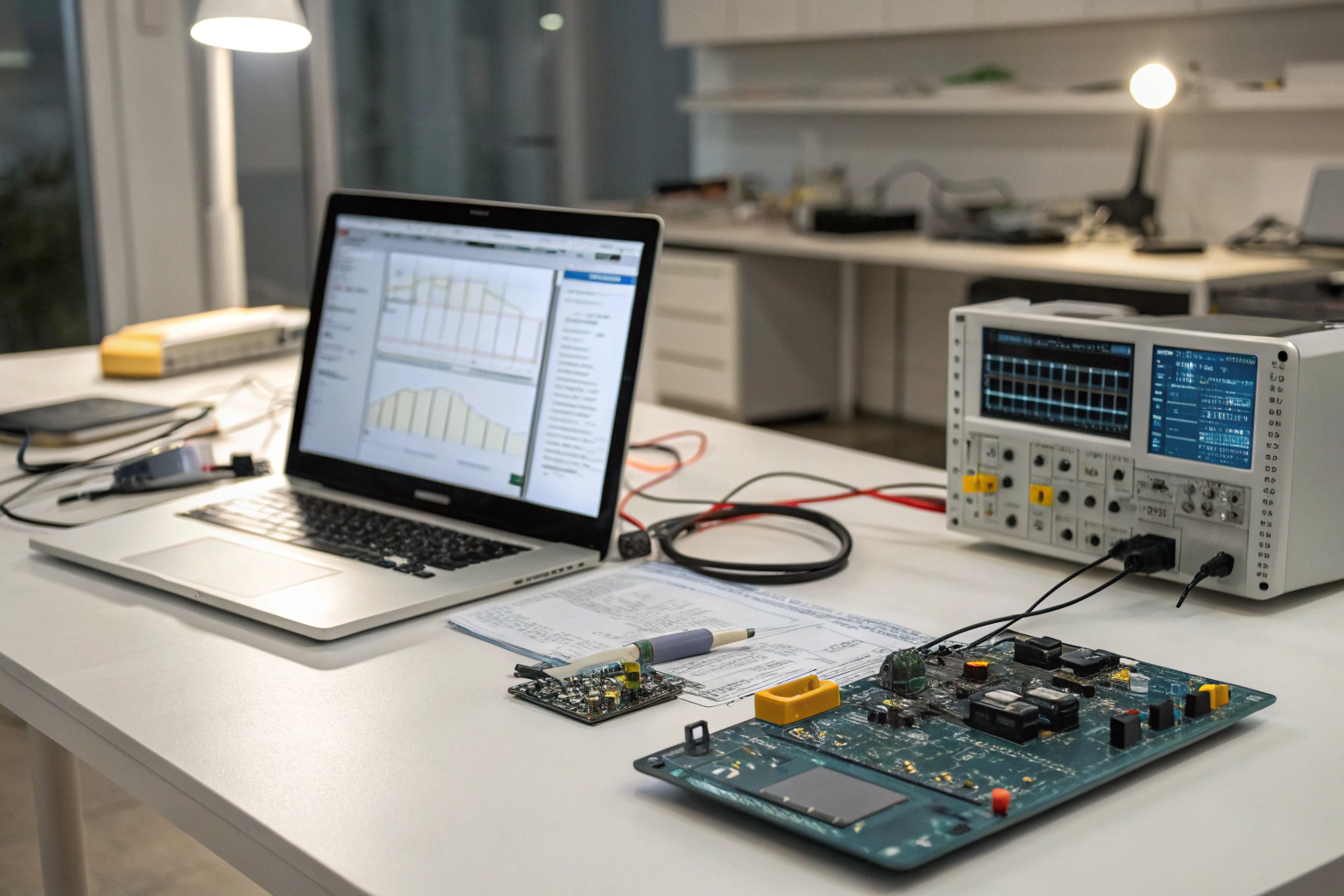
A firmware engineer salary represents the total compensation for a specialist who writes the low-level software for hardware devices like wearables, automotive systems, and IoT gadgets. This pay scale is highly influenced by factors including geographic location, years of experience, industry demand, and technical expertise in languages like C/C++. Understanding these variables helps engineers and employers set realistic compensation expectations and evaluate job offers effectively.
Key Benefits at a Glance
- Negotiate Higher Pay: Knowing the market rates in high-demand areas like Silicon Valley, Austin, or Boston provides leverage to strengthen your salary negotiation.
- Increase Your Market Value: Gaining expertise in high-growth areas like IoT, embedded security, or real-time operating systems (RTOS) makes you more attractive to employers and can command a higher salary.
- Boost Long-Term Earnings: Advancing through a clear career path from junior to senior or principal engineer roles can significantly increase your earning potential over a career.
- Avoid Being Underpaid: Regularly benchmarking your current salary against trusted industry reports ensures you are being compensated fairly for your specific skill level, experience, and location.
- Specialize for Better Opportunities: Developing niche skills in high-stakes industries such as medical devices, aerospace, or automotive technology often leads to more specialized and lucrative job roles.
Purpose of this guide
This guide is for aspiring and current firmware engineers, tech recruiters, and hiring managers seeking to understand compensation trends in this specialized field. It breaks down the primary factors that determine a firmware engineer salary, such as experience level from entry to principal, geographic location, and high-demand industry specializations. By using this information, you will learn how to accurately benchmark your earnings or job offers, identify the most valuable skills for career growth, and avoid common pitfalls like accepting a below-market-rate salary or misjudging candidate expectations.
What is a Firmware Engineer?
A firmware engineer is a specialized software professional who develops the low-level software that directly controls hardware components in embedded systems. Unlike traditional software engineers who work with applications running on operating systems, firmware engineers create code that operates at the intersection of hardware and software, requiring deep understanding of both domains.
Firmware represents the essential software permanently stored in hardware devices, providing the fundamental instructions that enable electronic components to function. This embedded software controls everything from simple microcontrollers in household appliances to complex systems in automotive vehicles and industrial equipment. Firmware engineers must possess specialized technical skills that bridge electrical engineering and computer science disciplines.
The role demands expertise in embedded systems architecture, real-time programming, and hardware-software integration. These professionals work with resource-constrained environments where every byte of memory and processor cycle matters. They must understand hardware specifications, timing requirements, and power consumption constraints while developing reliable, efficient code.
| Aspect | Firmware Engineer | Software Engineer | Hardware Engineer |
|---|---|---|---|
| Primary Focus | Embedded software | Applications/systems | Physical components |
| Programming Languages | C, C++, Assembly | Java, Python, JavaScript | VHDL, Verilog |
| Hardware Interaction | Direct | Abstracted | Direct |
| Typical Products | IoT devices, controllers | Web apps, desktop software | Circuits, processors |
Entry into firmware engineering typically requires a bachelor’s degree in electrical engineering, computer engineering, or computer science, with coursework covering digital systems, microprocessors, and programming fundamentals. Many employers prefer candidates with hands-on experience in embedded development, often gained through internships, personal projects, or relevant coursework.
- Firmware engineers bridge hardware and software domains
- Role requires specialized knowledge of embedded systems
- Direct hardware interaction distinguishes from traditional software roles
- Growing demand in IoT, automotive, and consumer electronics
Average Firmware Engineer Salary
Firmware engineers command competitive salaries that reflect their specialized skill set and the growing demand for embedded systems expertise. The average firmware engineer salary in the United States is $115,034, with compensation typically ranging from $86,000 to $145,000 annually. This salary range positions firmware engineering as one of the higher-paying technical disciplines within the broader engineering field.
| Metric | Value |
|---|---|
| Average US Salary | $115,034 |
| Salary Range | $86,000 – $145,000 |
| Median Salary | $112,000 |
| Hourly Rate Range | $41 – $70 |
“The average FIRMWARE ENGINEER SALARY in the United States as of October 2025 is $80.50 an hour or $167,438 per year. Top earners make $205,000 annually across the United States.”
— ZipRecruiter, October 2025
Source link
“Employees as Firmware Engineer earn an average of $177k, mostly ranging from $139k per year to $393k per year based on 647 profiles. The top 10% of employees earn more than $277k per year.”
— 6figr, November 2025
Source link
Several key factors significantly influence firmware engineer compensation levels. Experience level serves as the primary determinant, with senior engineers earning substantially more than entry-level professionals. Geographic location creates notable salary variations, with technology hubs like Silicon Valley offering premium compensation to offset higher living costs. Industry specialization also plays a crucial role, as sectors like semiconductor manufacturing and consumer electronics typically offer higher compensation than traditional manufacturing industries.
Entry Level vs Senior Firmware Engineer Salaries
The firmware engineering career path offers clear salary progression opportunities that correlate directly with experience level and skill development. Entry-level firmware engineers typically start with salaries ranging from $86,000 to $105,000, reflecting the specialized nature of the role even at the beginning stages. These positions usually require 0-2 years of experience and focus on basic embedded programming skills, debugging techniques, and familiarity with development tools.
Mid-level firmware engineers, with 3-5 years of experience, can expect compensation between $105,000 and $130,000. At this stage, professionals have developed expertise in real-time operating systems, communication protocols, and performance optimization. They often take on more complex projects and may begin mentoring junior team members.
| Experience Level | Salary Range | Typical Years | Key Skills |
|---|---|---|---|
| Entry-Level | $86,000 – $105,000 | 0-2 years | Basic C/C++, debugging |
| Mid-Level | $105,000 – $130,000 | 3-5 years | RTOS, protocols, optimization |
| Senior-Level | $130,000 – $160,000 | 5+ years | Architecture, mentoring, project lead |
Senior firmware engineers with 5+ years of experience command the highest salaries, typically earning between $130,000 and $160,000. These professionals possess deep technical expertise in system architecture, advanced debugging techniques, and project leadership skills. They often serve as technical leads, make critical design decisions, and mentor junior developers.
The typical progression from entry-level to senior positions takes 5-8 years, with annual salary growth rates averaging 4-7%. This progression timeline can be accelerated through continuous skill development, specialization in high-demand areas, and demonstrated project success.
- Master fundamental programming languages (C, C++, Assembly)
- Gain hands-on experience with microcontrollers and development boards
- Develop expertise in real-time operating systems (RTOS)
- Learn communication protocols (SPI, I2C, UART, CAN)
- Build portfolio with embedded projects and open-source contributions
- Pursue specialized certifications in target industries
For additional details, you can explore in-depth job market data on the PayScale salary platform.
Top Paying Companies for Firmware Engineers
Leading technology companies offer premium compensation packages for firmware engineers, reflecting the critical importance of embedded systems expertise in their product development. These organizations compete aggressively for top talent, often providing comprehensive benefits beyond base salary including bonuses, equity compensation, and extensive professional development opportunities.
Intel stands as one of the highest-paying employers for firmware engineers, offering base salaries ranging from $110,000 to $170,000. The semiconductor giant provides annual bonuses typically worth 8-15% of base salary, plus restricted stock units (RSUs) for most positions. Intel’s compensation premium reflects their need for engineers who understand complex processor architectures and can develop firmware for cutting-edge semiconductor technologies.
Samsung Electronics offers competitive packages with base salaries from $95,000 to $155,000, complemented by annual bonuses ranging from 10-20% of base salary. While equity compensation is more limited compared to pure-play technology companies, Samsung provides stability and opportunities to work on diverse consumer electronics products from smartphones to home appliances.
| Company | Base Salary Range | Bonus Structure | Stock Options | Specialization |
|---|---|---|---|---|
| Intel | $110,000 – $170,000 | 8-15% of base | RSUs available | Semiconductor technology |
| Samsung Electronics | $95,000 – $155,000 | 10-20% of base | Limited equity | Consumer electronics |
| Apple | $120,000 – $180,000 | 15-25% of base | RSUs standard | Consumer devices |
| Qualcomm | $105,000 – $165,000 | 10-18% of base | RSUs available | Mobile technology |
| Tesla | $100,000 – $160,000 | Variable | Stock options | Automotive/energy |
Apple provides some of the most attractive total compensation packages, with base salaries from $120,000 to $180,000 and standard RSU grants. Their bonuses typically range from 15-25% of base salary, and the company’s strong stock performance has historically made equity compensation particularly valuable for employees.
Qualcomm specializes in mobile and wireless technologies, offering $105,000 to $165,000 in base salary with 10-18% annual bonuses. Their focus on 5G and mobile processor development creates strong demand for firmware engineers with wireless communication expertise.
Tesla represents the automotive technology sector, with base salaries from $100,000 to $160,000. While their bonus structure varies, the company offers stock options that can be highly valuable given Tesla’s growth trajectory in electric vehicles and energy storage systems.
You can review the Intel compensation page for detailed breakdowns.
Top Paying Industries for Firmware Engineers
Industry specialization significantly impacts firmware engineer compensation, with salary variations of 10-20% between different sectors. The highest-paying industries typically involve complex technical challenges, stringent reliability requirements, or rapidly growing market segments that create strong demand for specialized expertise.
The semiconductor industry leads in average compensation at $125,000, with total ranges from $95,000 to $165,000. This premium reflects the extreme technical complexity of processor design, the need for deep hardware understanding, and the industry’s high profit margins. Firmware engineers in this sector work on chip-level software, processor microcode, and development tools that require years of specialized knowledge to master.
Consumer electronics ranks second with average salaries of $118,000 and ranges from $90,000 to $155,000. Companies in this space compete intensely for engineers who can develop firmware for smartphones, tablets, smart home devices, and wearable technology. The rapid product development cycles and consumer quality expectations drive premium compensation.
| Industry | Average Salary | Salary Range | Growth Outlook | Key Technologies |
|---|---|---|---|---|
| Semiconductor | $125,000 | $95,000 – $165,000 | High | Chip design, processors |
| Consumer Electronics | $118,000 | $90,000 – $155,000 | Moderate | IoT, smart devices |
| Automotive | $115,000 | $88,000 – $150,000 | Very High | ADAS, EV systems |
| Telecommunications | $112,000 | $85,000 – $145,000 | High | 5G, network equipment |
| Medical Devices | $108,000 | $82,000 – $140,000 | High | Implantables, diagnostics |
The automotive industry shows the strongest growth outlook despite slightly lower average salaries of $115,000 (range: $88,000-$150,000). The transformation toward electric vehicles, advanced driver assistance systems (ADAS), and autonomous driving capabilities creates unprecedented demand for firmware engineers. This sector offers excellent long-term career prospects as traditional automakers and new entrants invest heavily in software-defined vehicles.
Telecommunications provides solid compensation averaging $112,000 ($85,000-$145,000 range) with high growth potential driven by 5G network deployment and edge computing infrastructure. Firmware engineers in this space work on base stations, network processors, and communication protocols that enable next-generation wireless services.
Medical devices offer stable demand with average salaries of $108,000 ($82,000-$140,000 range). While compensation may be slightly lower, this industry provides meaningful work on life-saving technologies, strong job security, and opportunities to work with cutting-edge implantable devices and diagnostic equipment.
- Semiconductor industry offers highest average salaries due to technical complexity
- Automotive sector shows strongest growth driven by electric vehicles and autonomous systems
- Medical devices provide stable demand with regulatory compliance requirements
- Telecommunications benefits from 5G infrastructure expansion
Factors That Influence Firmware Engineer Compensation
Firmware engineer compensation extends beyond base salary considerations, with multiple factors creating significant variations in total compensation packages. Understanding these factors enables engineers to make strategic career decisions that maximize their earning potential while aligning with personal and professional goals.
Specialized technical skills provide the most controllable path to salary premiums, typically adding 10-25% to base compensation. High-demand specializations include real-time operating systems (RTOS), cybersecurity for embedded systems, artificial intelligence at the edge, and automotive safety standards. Engineers with expertise in emerging areas like IoT security or machine learning inference on embedded devices command premium rates due to limited talent supply.
Advanced education continues to influence starting salaries and career progression opportunities. A Master’s degree in engineering or computer science typically provides a 10-20% salary premium over bachelor’s degree holders. This advantage is particularly pronounced at leading technology companies and in research-intensive roles. However, practical experience and demonstrated technical competence can often offset educational differences over time.
| Factor | Impact on Salary | Typical Range |
|---|---|---|
| Specialized Technical Skills | +10% to +25% | RTOS, security, AI/ML |
| Advanced Degree (Master’s) | +10% to +20% | Engineering, Computer Science |
| Geographic Location | -30% to +25% | Silicon Valley premium vs rural |
| Industry Certifications | +5% to +15% | ARM, automotive standards |
| Security Clearance | +15% to +30% | Defense/aerospace roles |
Geographic location creates the most dramatic salary variations, with adjustment factors ranging from -30% to +25% compared to national averages. Silicon Valley, Seattle, and Boston offer the highest compensation but also the highest living costs. Conversely, firmware engineers in smaller cities or rural areas may accept lower base salaries that provide superior purchasing power and quality of life. Remote work opportunities increasingly allow engineers to access high-paying positions while living in lower-cost areas.
Industry certifications provide measurable salary benefits of 5-15%, particularly in specialized sectors. ARM architecture certifications, automotive functional safety standards (ISO 26262), and cybersecurity credentials demonstrate commitment to professional development and specialized knowledge that employers value.
Security clearances offer substantial premiums of 15-30% for engineers willing to work in defense and aerospace applications. These positions require US citizenship and extensive background investigations but provide stable, well-compensated careers working on cutting-edge military and space systems.
- Develop expertise in high-demand areas like IoT security or automotive protocols
- Consider pursuing Master’s degree for 10-20% salary premium
- Target high-paying metropolitan areas or negotiate remote work arrangements
- Obtain industry-specific certifications to demonstrate specialized knowledge
- Build portfolio showcasing complex embedded projects and problem-solving skills
- DO: Continuously update skills with emerging technologies
- DO: Network within embedded systems communities and conferences
- DO: Negotiate total compensation including bonuses and equity
- DON’T: Focus solely on base salary when evaluating offers
- DON’T: Neglect soft skills like communication and project management
Frequently Asked Questions
The average firmware engineer salary in the United States is around $120,000 per year, varying based on experience, location, and company size. Entry-level positions might start lower, while experienced engineers in tech hubs like Silicon Valley can earn upwards of $150,000. Factors such as bonuses and stock options often boost total compensation.
Yes, firmware engineers are generally paid well due to the high demand for their specialized skills in embedded systems and hardware-software integration. Their salaries often exceed $100,000 annually, making the firmware engineer salary competitive with other tech roles. Additional perks like remote work options and professional development opportunities enhance overall compensation packages.
A firmware engineer designs, develops, and tests low-level software that operates directly on hardware devices, such as in IoT gadgets, medical equipment, or automotive systems. They bridge the gap between hardware and application software, ensuring efficient performance and reliability. Understanding firmware engineer salary expectations can motivate professionals to acquire key skills like C programming and debugging.
The salary range for firmware engineers typically spans from $80,000 for beginners to over $180,000 for senior experts, influenced by industry and location. In competitive markets, the upper end of the firmware engineer salary can include substantial bonuses. Negotiating based on specialized experience often leads to higher placements within this range.
Tech giants like Apple, Google, Qualcomm, and Intel often pay firmware engineers the most, with average salaries exceeding $150,000 plus benefits and equity. These companies seek top talent for innovative projects in consumer electronics and semiconductors. Researching firmware engineer salary data from these employers can help in career planning.

Hi, I’m Liam Hamilton — a tech enthusiast and developer with years of hands-on programming experience. This blog is my space to share practical advice, explore the latest trends in the IT world, and break down complex tech concepts into simple, understandable insights. I believe technology should be accessible to everyone who wants to stay ahead in the digital era.
References:
Poker training videos https://brewwiki.win/wiki/Post:Hit_Prospekt_nchste_Woche_ab_26_052026
References:
Crown casino https://liviaykfz228062.widblog.com/